
TUESDAY
OCTOBER 27, 2026

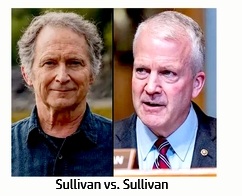
DOJ Sues Alaska Over
Senate Ballot Name Confusion
The Justice Department has gone to federal court in Alaska to block certification of the 2026 U.S. Senate race if results include a second candidate named Daniel Sullivan, a move aimed at stopping voter confusion on the state’s ranked-choice ballot.Federal lawyers filed the case on October 22, asking a court to stop Alaska from locking in any Senate outcome they say would be tainted by that inclusion. The suit names the state, Elections Division Director Carol Beecher, the state’s election boards, and the Ballot Counting Review Board as defendants.


<<<<<<>>>>>>

How Intimacy and Sexuality
Can Support Healthy Aging After 60
Getting older doesn't mean giving up intimacy, romance, or sexual pleasure. For adults over 60, maintaining physical and emotional closeness can strengthen relationships, reduce stress, boost self-esteem, and contribute to a greater sense of well-being. Whether through sexual activity, affectionate touch, or simply feeling connected to someone you love, intimacy remains an important part of healthy aging. Here's why keeping that connection alive can make a difference in your later years.
[READ MORE]
_______________________

Medical debt is rising for older adults
— how to push back before you pay
Medical bills can be overwhelming, especially for older adults living on a fixed income. Even with Medicare coverage, unexpected expenses, denied claims, and billing errors can leave seniors facing debts they struggle to pay. But before reaching for your checkbook or credit card, take a closer look. You may be able to challenge incorrect charges, negotiate a lower bill, or qualify for financial assistance. Knowing your rights and your options could save you money and help protect your financial security in retirement.

An Alzheimer’s diagnosis can be frightening for patients and their families, but advances in research are offering new reasons for hope. Newer treatments may help slow the progression of the disease in some people, particularly when it is detected in its early stages. While these therapies are not a cure and are not right for everyone, they represent an important step forward in treating a condition that affects millions of older adults. Understanding the available options, their potential benefits, and their risks can help patients and families make more informed decisions about care.
[READ MORE]
_________________________

Holiday airfare is soaring in 2026.
These travel dates
could save you hundreds
Planning to visit family or take a holiday getaway this year? Be prepared to pay more for airfare. With holiday travel costs climbing in 2026, the dates you choose to fly could make a big difference in what you spend. For older adults living on a fixed income, saving hundreds of dollars on airline tickets can leave more money for gifts, meals, and other holiday expenses. The secret may be flexibility: shifting your departure or return by just a day or two could help you find a much better fare.
[READ MORE]
________________________

Pets can help older adults’
health and well being,
but may strain budgets too
For many older adults, a pet is more than a companion. Dogs and cats can ease loneliness, provide a sense of purpose, encourage physical activity, and bring joy to everyday life. But pet ownership also comes with costs that can be difficult to manage on a fixed retirement income. Food, routine veterinary visits, medications, and unexpected medical bills can quickly add up. For seniors considering a pet or already sharing their home with one, balancing the emotional and health benefits with the financial responsibilities is an important part of planning for a happy life together.

Click on headline to go to story
Can Psychedelics
Reboot Aging Brains?
We’re About to Find Out
_________________________
Why Older Adults
Are Vulnerable to Abuse
– And Why It Often Goes Undetected
__________________________
What Are the “Warning Signs”
of Elder Abuse?
____________________________
Cardiac Stress Tests
Can Cost Seniors
More Than They Gain
↓↓

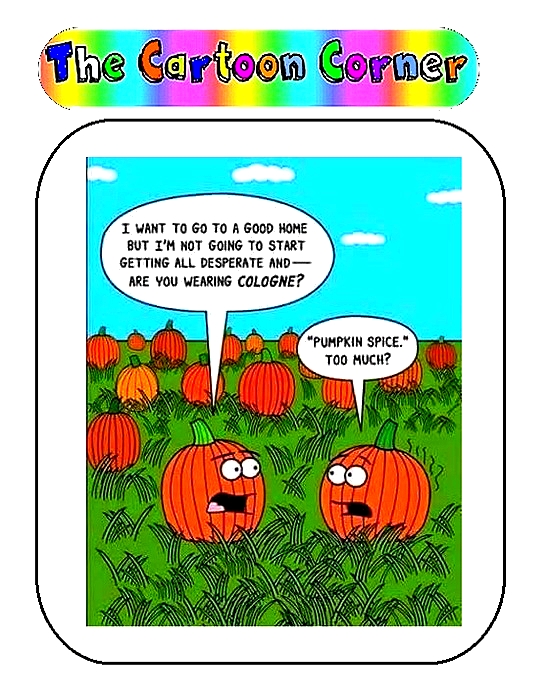
“Women are like pumpkins;
you search and search
for the perfect one,
bring it home,
and the next thing you know,
you're looking for a knife.”
Dana Gould
_______________________
↓↓↓

Interesting Facts About Pumpkins
- Pumpkins Are Fruits, Not VegetablesAlthough we treat pumpkins as vegetables, they are actually fruits because they develop from a flower and contain seeds. They belong to the same family as cucumbers, melons, and squash._ Pumpkins Are Mostly WaterA pumpkin is about 90% water! Despite that, it contains valuable nutrients, including vitamin A, vitamin C, potassium, and fiber.- Pumpkins Have Been Around for Thousands of YearsPumpkins originated in the Americas and have been grown for thousands of years. Indigenous peoples used them as an important food source long before European settlers arrived.- The World's Heaviest Pumpkins Can Weigh More Than a Small CarGiant pumpkins can weigh well over 2,000 pounds! Growers carefully select seeds and use special growing techniques to produce these enormous fruits.- You Can Eat Almost Every Part of a PumpkinPumpkin flesh can be used in soups, pies, breads, and other dishes. The seeds can be roasted for a crunchy snack, and even the flowers are edible. Pumpkin seeds also provide protein, magnesium, and healthy fats.

Bonus Fall Fact:The tradition of carving pumpkins into jack-o'-lanterns originated in Ireland, where people originally carved turnips and other root vegetables. When Irish immigrants arrived in America, they discovered that pumpkins made excellent lanterns! 🎃
↓↓
Next Daily edition
WEDNESDAY, Oct. 28, 2026
©2026 Bruce Cooper
Check out our
WEEKEND EDITION
Saturday and Sunday
Oct. 31- Nov. 1, 2026
-30-

TO COMMENT ON THIS BLOG
↓↓

Your Comments Will Be Published Here
Without Your Email Address

MONDAY
OCTOBER 26, 2026

'Eat grandma'
Bill Maher explains why he thinks
young Americans want socialism
Comedian Bill Maher argued that younger Americans are drawn to socialism partly because they resent the government benefits available to senior citizens, framing the issue as an intergenerational divide over public spending and economic insecurity."The young people want socialism because they're jealous that the older people have it and they don't," Maher said in an 8-minute video he shared on X Friday night."Everything socialists want we already have: government-paid universal healthcare? We have it. It's called Medicare. Universal basic income? We have it. It's called Social Security. Medicaid is adult daycare. If you're a senior citizen, you're already living like [New York Mayor Zohran] Mamdani as president."Maher said he considered the programs necessary, but argued that the nation's distribution of public resources has become "out of whack." He cited a report that claimed the U.S. government spends six times more on American retirees than they spend on children and young adults.



A Big Savings Account Won't Guarantee
You'll Feel OK in Retirement,
But Doing This Could
For many seniors, feeling good about retirement has less to do with how much money they have and more to do with having a sense of purpose, staying connected to others, and finding reasons to look forward to each day. Here's what may make a bigger difference than the size of your bank account.

Financial exploitation can rob older adults of more than their hard-earned savings. It can threaten their independence, security, and peace of mind. From phone scams and online fraud to financial abuse by people they know and trust, seniors face growing risks. Knowing the warning signs, protecting personal information, and taking action when something doesn't seem right can help older adults safeguard their money and their future.

Grandparents want to help their children and grandchildren, but generosity can sometimes come at the expense of their own financial security. Whether it's paying bills for adult children, lending money that may never be repaid, or dipping into retirement savings to help the family, good intentions can lead to costly mistakes. Before opening your wallet, make sure your generosity doesn't put your own retirement, independence, and peace of mind at risk.
[READ MORE]
__________________________
The Social Security Administration
corrected millions of records,
and says there’s more to fix
Millions of Social Security records have been corrected, but the work isn't finished. The Social Security Administration says more records still need attention, raising questions about the accuracy of information that can affect retirees and other beneficiaries. For seniors who depend on these benefits to pay their bills, accurate records are essential. Here's what the agency is doing and why it matters to you.
Who says baking has to be complicated? If you enjoy homemade muffins but don't want to spend time measuring a dozen ingredients or washing a sink full of dishes, one-bowl recipes are the answer. These easy muffin recipes are perfect for busy mornings, a quick snack, or a little something sweet with your afternoon coffee. Just mix, bake, and enjoy!

Accepting My Loss Of Independence
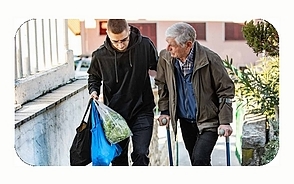
As the song says, “You don’t know what you got ’til it’s gone.” That’s especially true when you get older and your body no longer does what it used to.Your mind says, “Go for it!” But your body warns, “You’re going to get hurt if you try that.” More often than not, the body wins.I never thought losing my independence would be such a difficult part of getting older. For most of my life, I was used to doing things my own way, making my own decisions, and taking care of myself. Now, I’ve had to accept that some things I once did without thinking require help or simply aren’t possible anymore. I don’t like it, and I’m not sure I’ll ever get used to it. Asking for help can be humbling, especially when you remember how capable you once were. But I’m learning that growing older means making adjustments, accepting what I can no longer do, and finding ways to hold on to the independence I still have.For me, everything came crashing down on a fateful day in 2009. I went to the emergency room at a local hospital and never returned to the free and independent life I had enjoyed for all of my adult years.Since then, my life has changed in ways I never expected. My mobility has suffered, and my cane has become a constant companion.Things I once did without giving them a second thought now require help, careful planning, or a decision about whether I can do them safely. I've lost some of the freedom to come and go as I please, to move around without worrying about falling, and to handle everyday tasks entirely on my own.Perhaps the hardest part is having to depend on other people for things I once managed myself. It's not easy to accept that your health, your comfort, and your daily routine are no longer entirely in your hands. I haven't given up on independence, but I've had to learn that holding on to what I still can do is just as important as accepting help with what I can no longer manage.I count my blessings that I can still take care of my personal hygiene. Showering, shaving, and managing my daily bathroom routine are things I cherish. They may seem like small things, but they represent a big part of my independence. Imagine having someone watch you shower, help you put on your pants, or clean you after you use the toilet. These are everyday realities for many people in nursing homes and elder care facilities.We take these basic activities for granted until we can no longer manage them ourselves. I know how fortunate I am to still have that privacy and independence. But the truth is, if you live long enough, you may find yourself needing help with the most personal things in life. And the sad truth is you will have to accept it because you have no other choice.I was lucky to find a place that gives me some independence. I have my own room, and once I close the door, I’m pretty much on my own. An aide checks on me twice a day with a knock on the door and a quick look to make sure I’m okay. That’s about the extent of the supervision.The staff knows what I can and cannot do and treats me accordingly. They understand my limitations without taking away more of my independence than necessary.If you’re looking for a place for yourself or a loved one, don’t focus only on the cost, location, or services offered. Find out how much independence the facility allows its residents. Ask how much privacy you’ll have, how often staff will check on you, and whether they’ll let you do what you’re still capable of doing on your own. Getting the help you need is important, but so is holding on to the independence you still have. ... bwc↓↓

click on headline to read story
Americans need $1.46 million
to comfortably retire
— but most seniors have just
$200,000 in savings
______________________________________________
Scared To Spend?
(You’re Not Alone)
______________________________________________________
What Exactly
is a Gray Divorce?
And is It Ever Too Late
to Get Divorced?
________________________________________________________
Adult Bullies:
How to Properly Handle Them
(10 Effective Tips)
↓↓

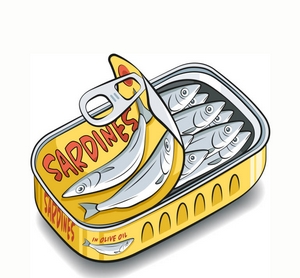
“Life is rather like a tin of sardines,
we're all of us looking for the key.”
Alan Bennett
_________________________
↓↓↓

Interesting Facts About Sardines
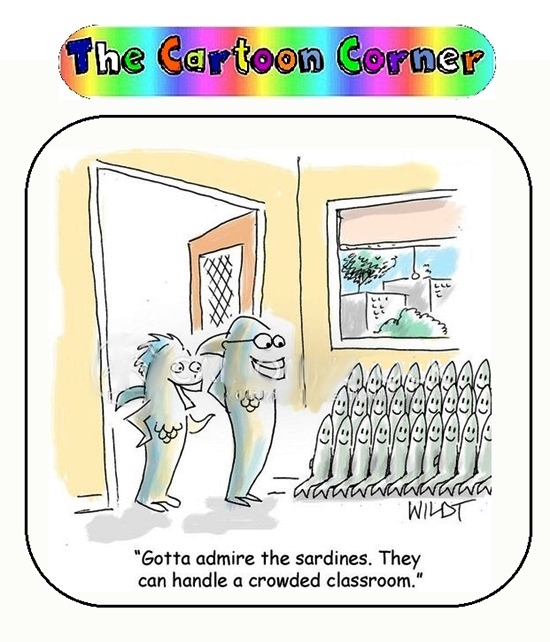
- Sardines Are Packed With NutrientsThese small fish are rich in protein, vitamin B12, vitamin D, calcium, and omega-3 fatty acids, which support heart, brain, and bone health.- They're Good for Your HeartSardines contain omega-3 fatty acids, which can help lower triglyceride levels and support cardiovascular health.- Sardines Travel in Huge SchoolsThese small fish swim in large groups for protection against predators. Their synchronized movements can make an entire school look like one giant, shimmering fish.- They're Excellent for Bone HealthCanned sardines with their soft, edible bones provide calcium and phosphorus, two minerals that help maintain strong bones. They also supply vitamin D, which helps the body absorb calcium.- Sardines Are a Low-Mercury Seafood ChoiceBecause sardines are small fish relatively low on the food chain, they generally contain much less mercury than large predatory fish such as swordfish. They're an affordable, convenient way to add seafood to your diet.
↓↓
Next Daily edition
TUESDAY, Oct. 27, 2026
©2026 Bruce Cooper
Check out our
WEEKEND EDITION
Saturday and Sunday
Oct. 31- Nov. 1, 2026
-30-

Comments Box Below